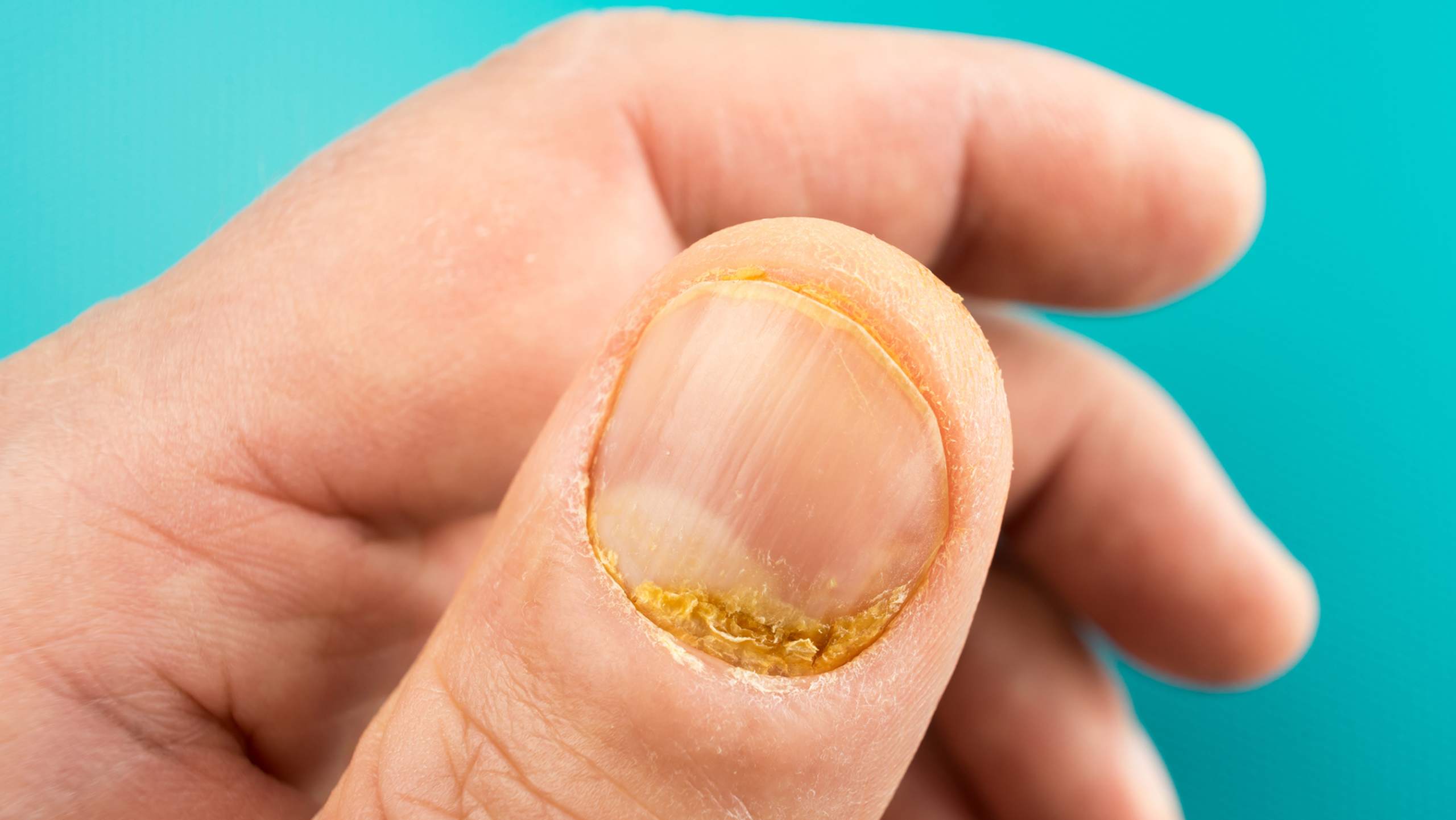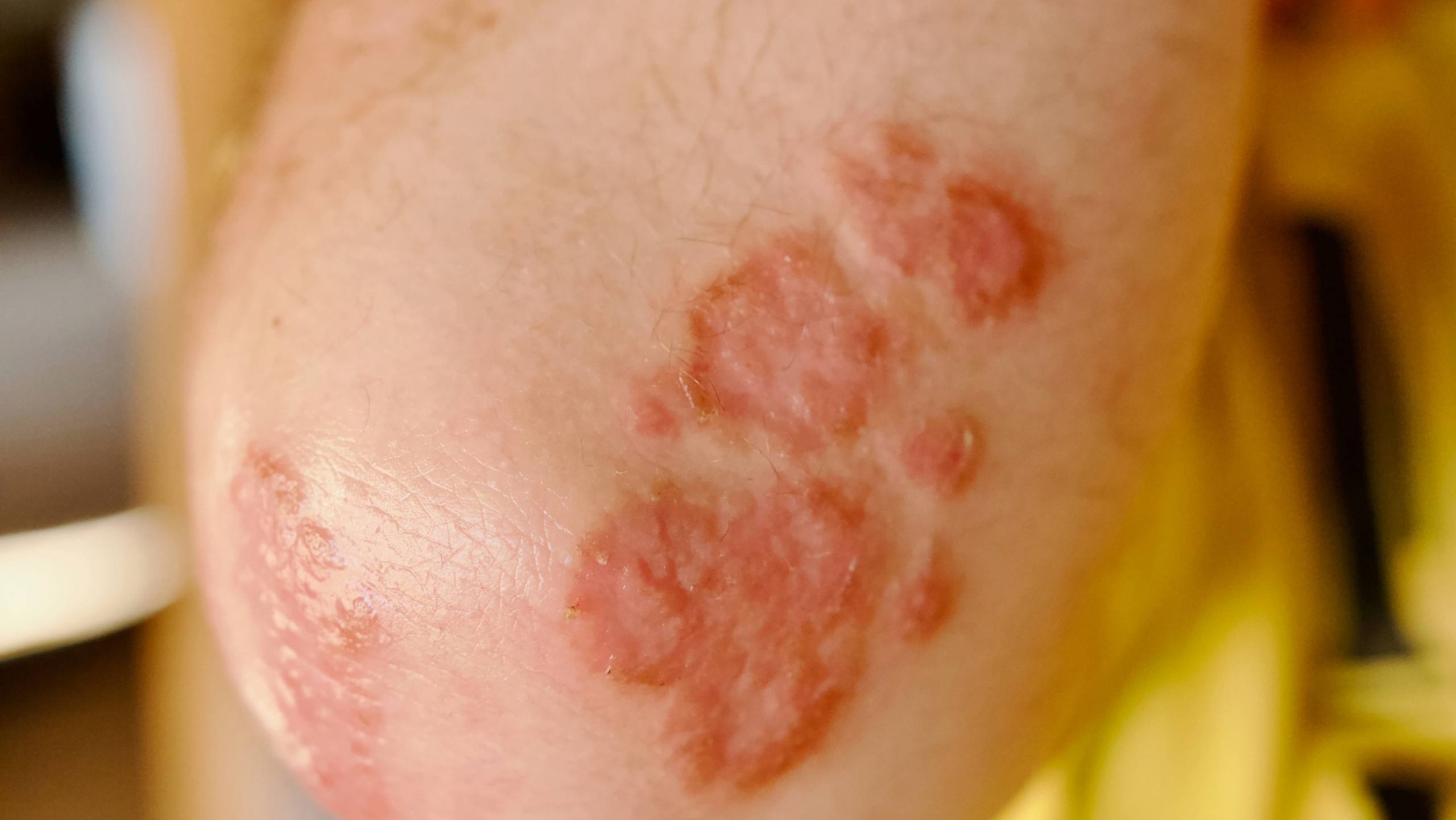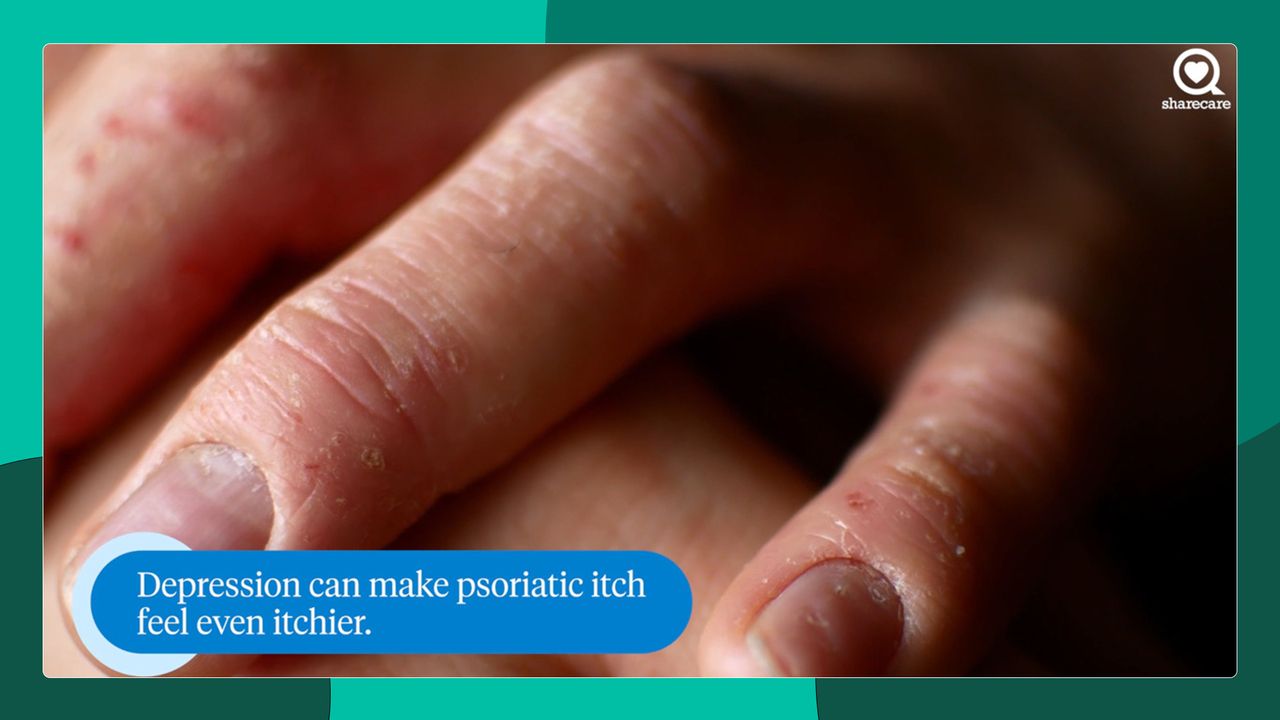

Do you have patches of bright red or discolored skin? Scaling? Itching and uncomfortable skin inflammation?
If you have psoriasis, you’re already well acquainted with the discomfort these symptoms can bring and the feeling of helplessness that can stem from trying to keep them under control.
But one of the easiest ways to take charge of your condition and manage your psoriasis symptoms is by tracking what triggers them. Not only does it empower you as a patient, it’s a practical way to handle symptoms on a daily basis. Whether it’s a food that triggers skin inflammation or stress that causes flare-ups, being a symptom sleuth can help you become better equipped to speak to your healthcare provider (HCP) about treatment.
Tracking symptoms is a convenient way to let your HCP see exactly what you’re experiencing and help identify what may be causing your symptoms. Whatever method you use, bring your records to your next appointment to help your HCP provide you with more tailored treatment options for your condition.
Not sure how to get started? Try these smart tracking strategies.
Start a symptom journal. Keep a small notepad with you to document flare-ups. It’s a great way to take note of the time of day, the activities you were doing, and even the foods you were eating when your flare-up occurred. Write down the symptoms you experience in your journal and bring it with you the next time you visit your HCP. It might also be helpful to write down any self-care remedies that you've used or found to be helpful.
Get tech savvy to track symptoms. Smartphone apps are a great, on-the-go way to track your triggers, and many are free. Just keep in mind that while they make it convenient to keep tabs on your condition, they can’t replace the advice of a physician. Use them instead as a tool to enhance and improve both your treatment plan and your relationship with your HCP. If you aren't sure which app is best for you, ask your HCP what they might recommend.
Try a photo record. Giving your HCP a photo visual is another way to document your psoriasis. It allows them to see exactly what you’re experiencing and leaves them better able to provide you the best treatment for your condition. The next time your psoriasis flares up, take a picture to bring to your next appointment as a supplement to your symptom journal.
And remember to keep these possible triggers in mind as you’re tracking:
Mood: For people with psoriasis, stress, anxiety, and depression can result in a flare-up. If you notice skin inflammation after a bad day at work, an argument, or while dealing with financial worries, for example, stress could be one of your psoriasis triggers.
Diet: Food affects everyone differently, so take notes if your skin becomes irritated after eating. Include what you ate and the symptoms you experienced afterward. Some reported dietary triggers include alcohol, simple sugars, red meat, fried foods, and foods high in saturated fat. While it hasn’t been conclusively proven, some people have reported flare-ups after eating gluten or dairy, possibly because each may cause inflammatory responses in the body. Dairy also contains tryptophan, which may be linked to psoriasis.
Skin Injury: Sometimes known as the Koebner phenomenon, psoriasis flare-ups often happen at the site of a skin injury, such as a cut, scrape, sunburn, bite, or bruise. In this case, a photo of the skin reaction may help your HCP in providing treatment.
Medications: Certain medications, like those prescribed for high blood pressure and depression, have been known to trigger flare-ups in some patients. Make a note about the meds you take, including:
- Beta-blockers, medications that reduce blood pressure
- Lithium, medications primarily used to treat bipolar disorder and major depressive disorder
- Antimalarial drugs, medications that prevent and treat malaria
Infections: According to the National Psoriasis Foundation, anything that affects the immune system can also affect your psoriasis. This means that when your body is fighting off strep throat, bronchitis, or another type of upper respiratory infection, you may flare up. You may even experience the flare-up before you’re aware that you’re sick. Make sure to mention to your HCP if your psoriasis flare-up coincides with another illness.
Weather: Pay attention to the weather the next time your psoriasis symptoms act up. Colder, dryer air has been known to aggravate psoriasis in some people, while more damp, humid air could potentially provide relief.
Sources: Norris, J. Self-Tracking May Become Key ... + 13
- Norris, J. Self-Tracking May Become Key Element of Personalized Medicine. University of California San Francisco. October 5, 2012.
- Hoffman, M. Tracking Your Psoriasis Outbreaks. WebMD. October 28, 2021.
- National Psoriasis Foundation. Life with Psoriasis. Last updated on Nov. 2, 2020.
- Davenport, T. How Stress Affects Psoriasis. HealthCentral. July 21, 2022.
- National Psoriasis Foundation. Causes and Triggers. Last updated on April 7, 2021.
- Sahi, F. M., Masood, A., et al. Association between psoriasis and depression: a traditional review. Cureus. 2020;12(8), e9708.
- Marek-Jozefowicz, L., Czajkowski, R., et al. The Brain–Skin Axis in Psoriasis—Psychological, Psychiatric, Hormonal, and Dermatological Aspects. Int. J. Mol. Sci. 2022; 23(2), 669.
- Kanda, N., Hoashi, T., & Saeki, H. Nutrition and psoriasis. International Journal of Molecular Sciences. 2020;21(15), 5405.
- Rendon, A., & Schäkel, K. Psoriasis pathogenesis and treatment. International Journal of Molecular Sciences. 2019;20(6), 1475.
- Robinson, M. These 12 Medications May Worsen Psoriasis and Cause a Flare-Up. GoodRX Health. June 24, 2021.
- Mayo Clinic staff. Psoriasis. Mayo Clinic. Accessed on August 9, 2022.
- Tampa M, Sarbu MI, et al. The Pathophysiological Mechanisms and the Quest for Biomarkers in Psoriasis, a Stress-Related Skin Disease. Dis Markers. 2018 Jan 28;2018:5823684.
- The role of lifestyle and nutrition in psoriasis: Current status of knowledge and interventions. Dermatologic Therapy. September 2022. 35; 9.
- Harden JL, Lewis SM, et al. The tryptophan metabolism enzyme L-kynureninase is a novel inflammatory factor in psoriasis and other inflammatory diseases. J Allergy Clin Immunol. 2016 Jun;137(6):1830-1840.