Understanding the basics of psoriatic disease

National Psoriasis Foundation

LearnSkinManaging moderate-to-severe plaque psoriasisUnderstanding the basics of psoriatic disease
  • Psoriasis
  • Psoriatic arthritis
  • Treatment

Psoriatic disease refers to a pair of related inflammatory disorders—psoriasis and psoriatic arthritis. One affects the skin, while the other affects the joints, but both share a common factor—abnormal immune activity that promotes inflammation.

Psoriasis

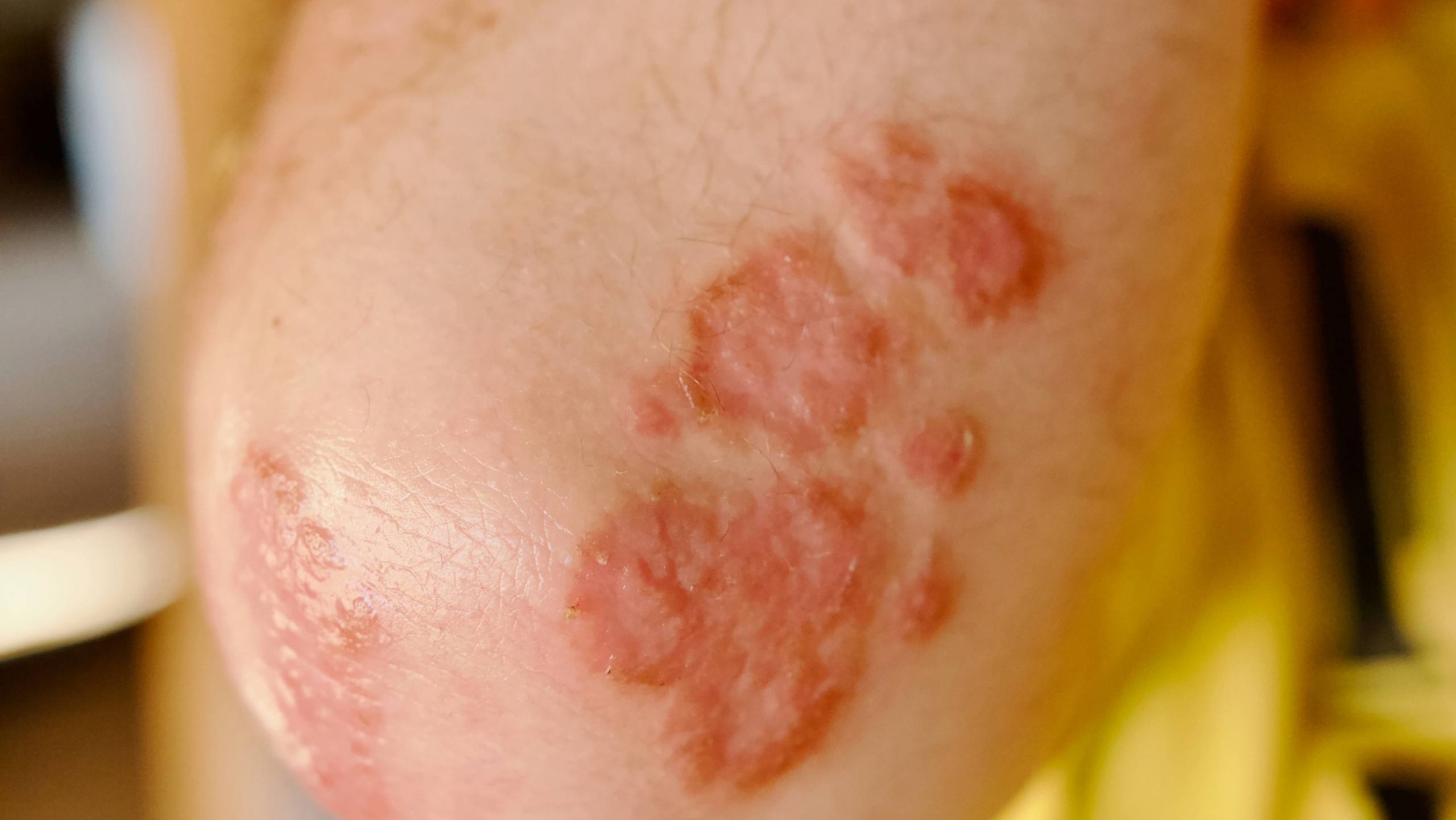
Psoriasis is a chronic skin disorder that can cause a number of uncomfortable symptoms. The most common type of psoriasis is plaque psoriasis, which causes thickened patches of raised skin, called plaques. These plaques have a silvery/scaled texture, and can appear anywhere on the body, though most commonly appear on the elbows, knees, lower back, and scalp.

In addition to plaque psoriasis, there are other types of psoriasis, which can cause a wide variety of symptoms. These symptoms range from small, round red dots (guttate psoriasis), to bright red lesions in the folds of the skin (inverse psoriasis), and pus-filled blisters (pustular psoriasis). There are even two types of psoriasis that can be life threatening—Von Zumbusch pustular psoriasis and erythrodermic psoriasis. Both types are rare, but cause widespread symptoms across the body, and can be accompanied by a number of serious complications, including fluid loss, severe pain and itching, fever, and increased heart rate. Both require immediate medical care.

Though it causes skin symptoms, and can be triggered by irritation and injury to the skin, psoriasis is not strictly a skin condition—it is associated with abnormal immune activity and inflammation. Symptoms manifest when inflammatory immune cells enter the skin and disrupt the normal lifecycle of skin cells.

However, this inflammatory response is not only limited to the skin, and can also affect other areas of the body, including the joints.

Psoriatic arthritis

As many as 30 percent of people with psoriasis will develop psoriatic arthritis, where abnormal immune activity results in symptoms like swelling, tenderness, pain, and stiffness in the joints—and can lead to permanent joint damage and disability.

The onset of psoriatic arthritis is typically after onset of psoriasis, and for most people occurs about 10 years after psoriasis symptoms begin. However, for some patients, psoriatic arthritis symptoms appear before skin symptoms, or begin simultaneously with skin symptoms. Symptoms can appear gradually, or suddenly, and psoriatic arthritis can affect any joint in the body—small joints in the hands and feet, larger joints like the knees and hips, even the spinal column.

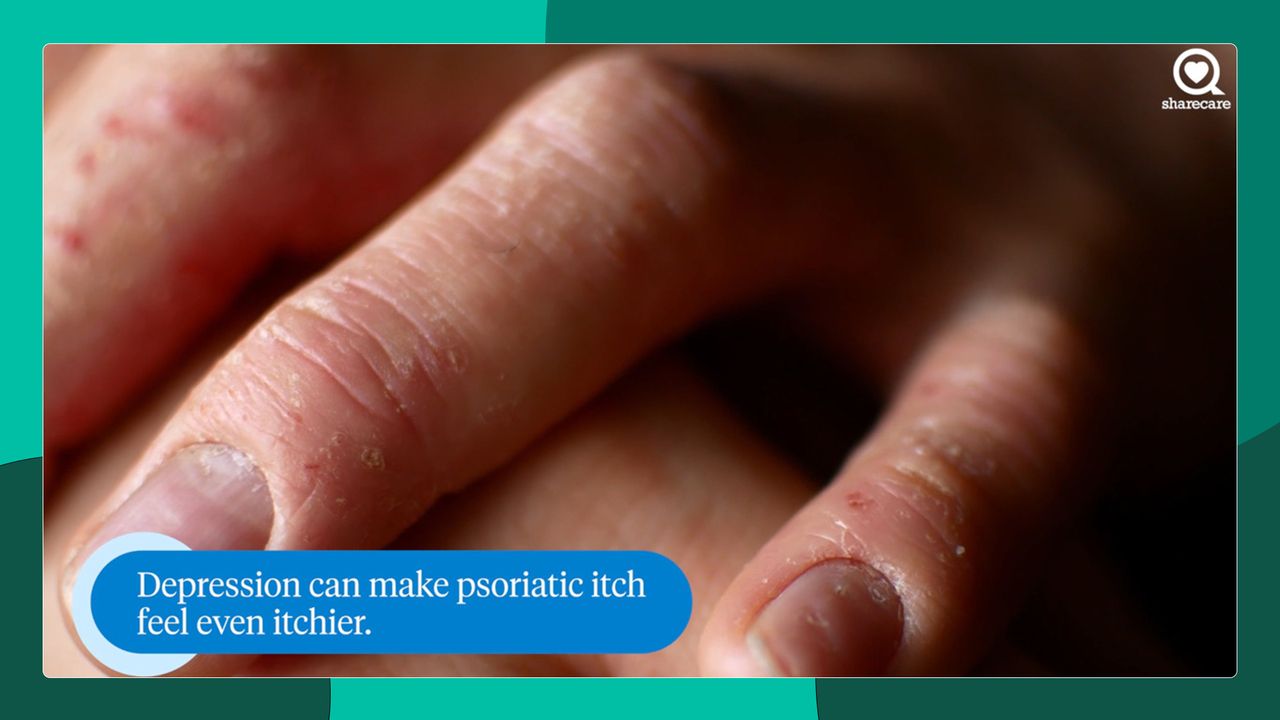
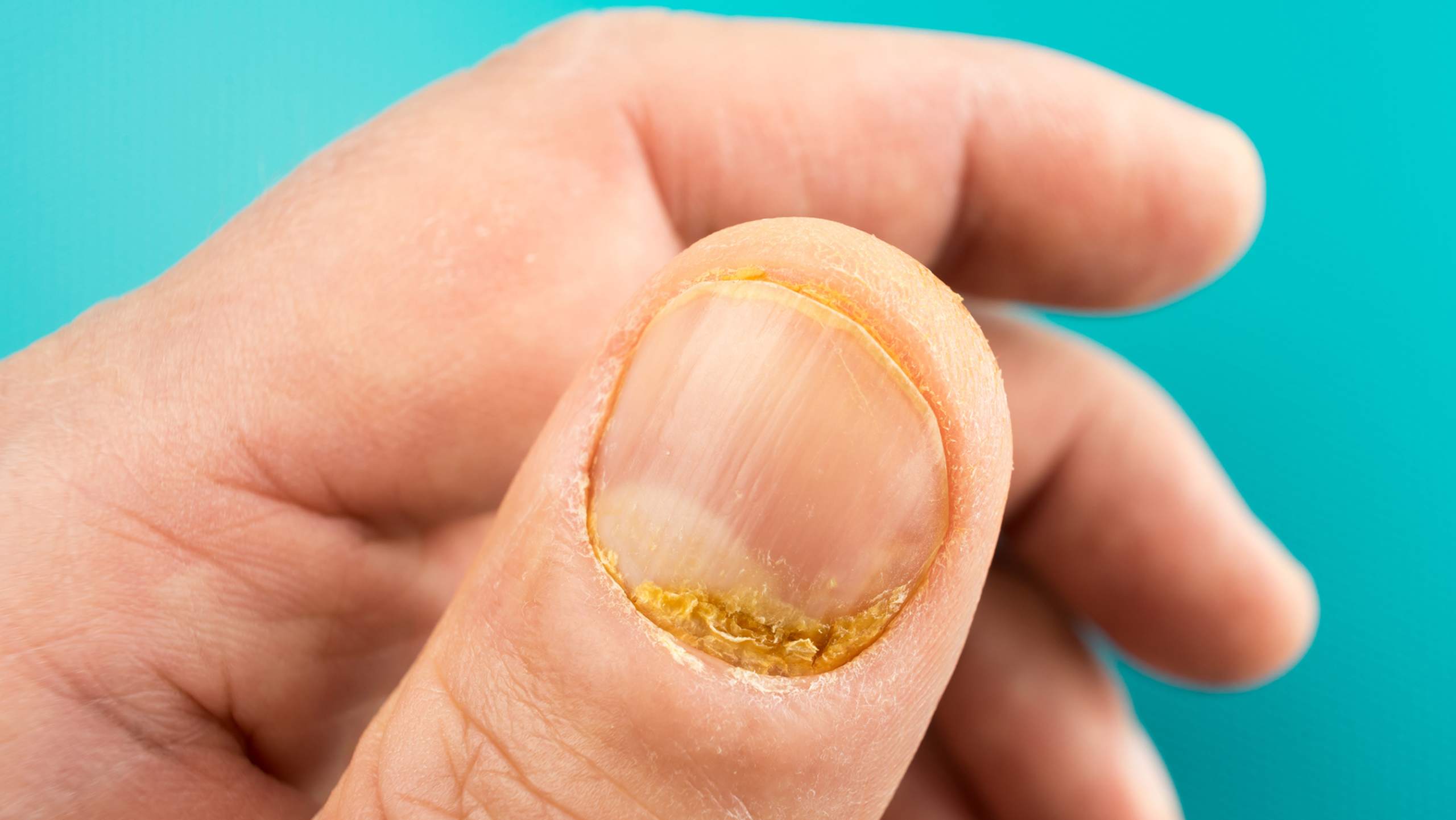
In addition to affecting the joints, psoriatic arthritis is associated with a number of other symptoms and issues, including nail psoriasis, swelling of the fingers and/or toes (called dactylitis), swelling of the tendons or tendon sheaths, and inflammation in the eyes. Additionally, both psoriasis and psoriatic arthritis are associated with an increased risk of other health conditions, such as cardiovascular disease and type 2 diabetes.

Treatment

Treatment for psoriasis will depend on a number of factors, including the areas of the body affected and the impact that the disorder has on a person’s quality of life. Patients with mild psoriasis may only require topical treatments. Patients with more severe psoriasis may need systemic treatments, such as immunosuppressant drugs or biologic therapies.

Treatment for psoriatic arthritis also depends on a number of factors, including the joints affected and the severity of symptoms. Patients with mild and occasional symptoms may be able to manage psoriatic arthritis with non-steroidal anti-inflammatory drugs (NSAIDs). For more severe or persistent symptoms, a patient may require systemic treatments—several systemic treatments for psoriasis are also indicated for psoriatic arthritis. Physical therapy may also be a part of a treatment plan, to promote and protect the mobility of joints.

Maintaining a health bodyweight, staying active, eating a healthy diet, and limiting or eliminating exposure to factors that promote inflammation (such as alcohol and cigarette smoke) are also recommended for both psoriasis and psoriatic arthritis. These lifestyle factors are also important for reducing the risk of other diseases and promoting overall physical and mental health.

The most important thing to do if you have psoriasis, psoriatic arthritis, or both is to work with a healthcare provider who understands psoriatic disease and can help you find a treatment plan that works for you.

Written by Jameson Kowalczyk.
Medically reviewed by Mark Arredondo, MD.December, 2023
Updated onAugust, 2026
Written by Jameson Kowalczyk.
Medically reviewed by Mark Arredondo, MD.December, 2023
Updated onAugust, 2026
  • Psoriasis
  • Psoriatic arthritis
  • Treatment

Featured content

Interactive

AR Wellness Lens - PsO

Vital Voices: BIPOC with Psoriasis
Interactive

Vital Voices: BIPOC with Psoriasis

Can you have more than one type of psoriasis?
Article

Can you have more than one type of psoriasis?

New symptoms could be a different type of psoriasis or another skin disorder.

6 facts about psoriasis everyone needs to know
Article

6 facts about psoriasis everyone needs to know

Learn about psoriasis health risks, treatments, and more.

How biologic therapies treat psoriasis
Article

How biologic therapies treat psoriasis

Biologic therapies may be a treatment option if you have moderate-to-severe psoriasis. Learn how these treatments work.

How does psoriasis impact your quality of life?
Article

How does psoriasis impact your quality of life?

Questions to ask yourself to help understand the ways psoriasis impacts your physical, mental, and social wellbeing.

How psoriasis affects body image
Article

How psoriasis affects body image

Why it’s normal to feel distressed about your body when you have psoriasis, and what you can do about it.

The benefits and challenges of exercising with psoriasis
Article

The benefits and challenges of exercising with psoriasis

How psoriasis patients can benefit from exercise and how to exercise safely.

3 tips for managing the emotional impact of psoriasis
Article

3 tips for managing the emotional impact of psoriasis

Try these tips for lowering your stress levels and taking care of your mental health while living with psoriasis.

8 tips for managing plaque psoriasis
Article

8 tips for managing plaque psoriasis

Lifestyle changes, self-care strategies, and healthy habits to help you get the most out of your psoriasis treatment.

Tips for going to the gym when you have psoriasis
Article

Tips for going to the gym when you have psoriasis

A psoriasis patient’s guide to workout clothes, avoiding triggers and overcoming stigma at the gym.

Tracking your psoriasis triggers
Article

Tracking your psoriasis triggers

One of the best ways to manage your psoriasis symptom flare-ups is to keep track of what triggers them.

Psoriasis, skin symptoms, and the immune system
Article

Psoriasis, skin symptoms, and the immune system

A look at the different types of psoriasis, and why psoriasis affects more than the skin.

6 psoriasis triggers you want to avoid
Article

6 psoriasis triggers you want to avoid

Help keep psoriasis in check by avoiding triggers like stress, injuries, and infections.

Is psoriasis mild, moderate, or severe?
Article

Is psoriasis mild, moderate, or severe?

Learn why the impact psoriasis has on your quality of life is an important factor in determining severity.

The link between genetics and psoriasis
Article

The link between genetics and psoriasis

What we do and don’t know about the role genetics play in the development of psoriasis.

Your psoriasis is in remission. Now what?
Article

Your psoriasis is in remission. Now what?

Learn strategies that can help you increase the length of time you spend without symptoms.

5 simple strategies to reduce psoriasis stress
Article

5 simple strategies to reduce psoriasis stress

If you’re feeling the mental and emotional burden of living with psoriasis, try adding one of these to your day.

Can a daily bath or shower help ease psoriasis?
Article

Can a daily bath or shower help ease psoriasis?

Use these six strategies to help your skin get the most benefit from a daily bath or shower.

Can meditation help you better manage psoriasis?
Article

Can meditation help you better manage psoriasis?

How meditation may help people with psoriasis cope with stress and improve symptoms.

Mind your health: anxiety, depression, and psoriasis
Video

Mind your health: anxiety, depression, and psoriasis

Learn about the ins and outs of anxiety and depression and how they interact with psoriasis.

8-minute meditation for psoriasis
Video

8-minute meditation for psoriasis

Stress can play a major roll in psoriasis flare-ups. Take a break with this calming beginner's meditation session.

AskMD by Sharecare LogoAskMD by Sharecare Logo
Privacy policyConsumer health data privacyTerms of use
Cookie policyYour privacy choices

© 2026 Sharecare, Inc.

ask-mdask-md
AskMD by Sharecare LogoAskMD by Sharecare Logo
Privacy policyConsumer health data privacyTerms of use
Cookie policyYour privacy choices

© 2026 Sharecare, Inc.