
Plaque psoriasis is the most common form of psoriasis, a chronic skin disorder that causes inflammation and skin lesions. Skin lesions refer to areas of the skin that are somehow abnormal. Rash, lumps, nodules, and blisters are all examples.
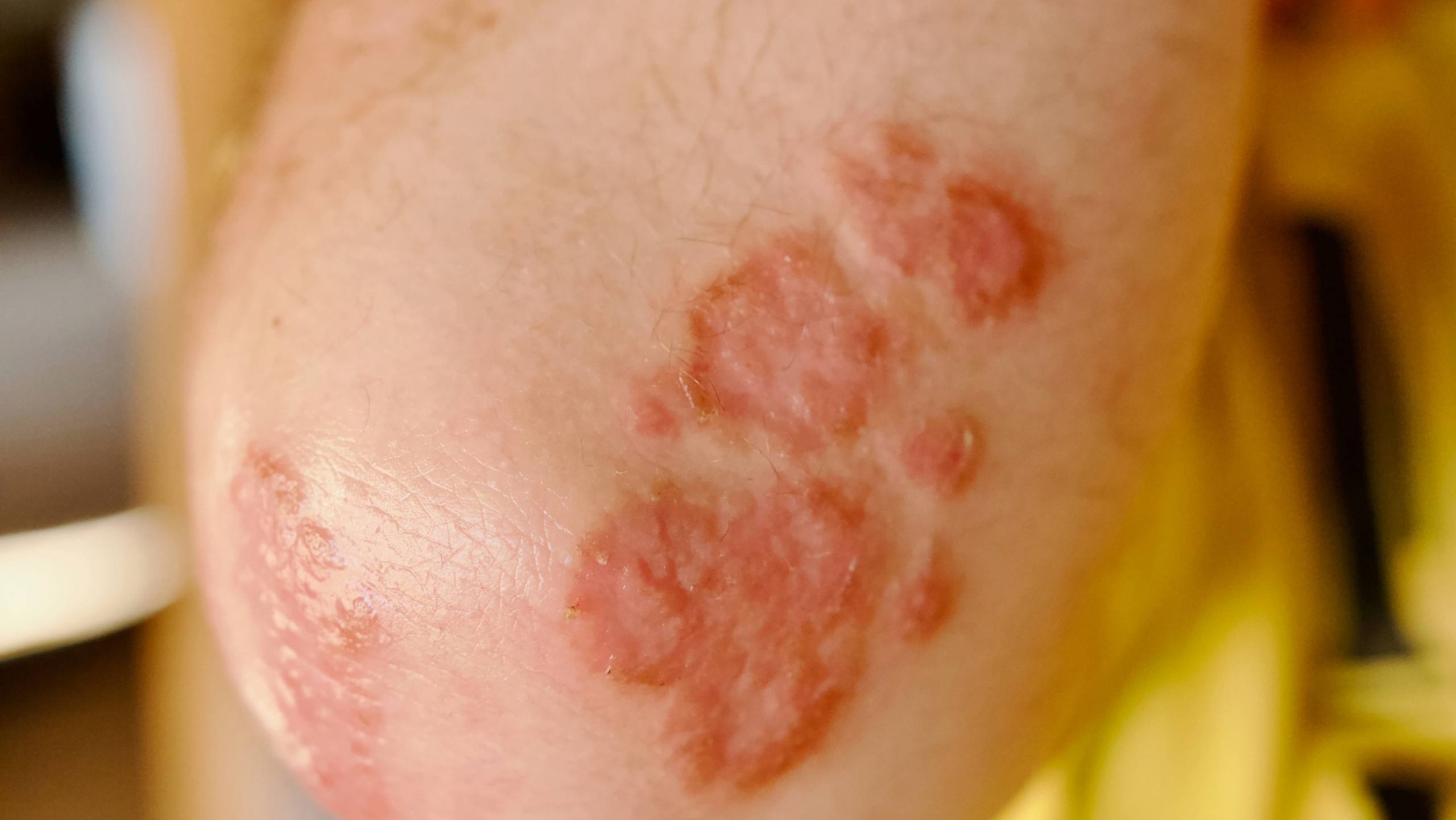
Plaque psoriasis causes plaques—patches of skin that are raised and thickened, that may also be itchy and painful. On lighter colored skin, plaques typically look reddened and covered in silvery scales. On darker skin, plaques can appear dark brown or purple, and scales can appear grayish.
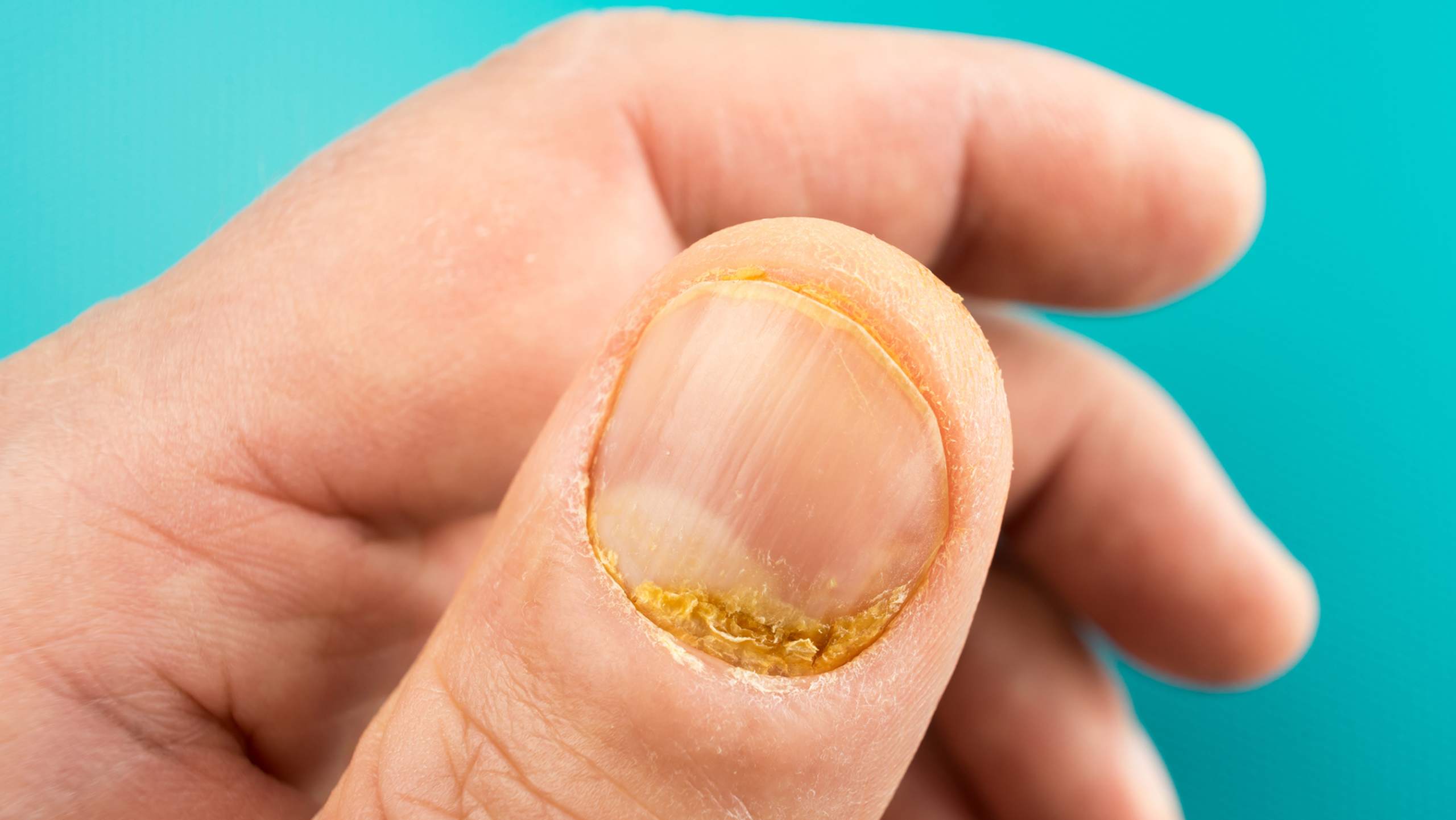
Plaques often appear on the knees, elbows, scalp, hands, and torso, but can appear anywhere on the body. Psoriasis can also affect the nails, causing the nails to become thickened, pitted, and ridged. Beyond skin symptoms, psoriasis can also affect mental health, emotional wellbeing, and sleep. Symptoms and the severity of symptoms will vary from person to person.
What are the goals of treating psoriasis?
There is no cure for psoriasis, and the goals of treatment are to reduce symptoms as much as possible and improve a person’s quality of life while living with psoriasis. Treatments include a variety of topical medicines, oral medications, light therapy, and injectable medications. Different medications work better for different people, and no treatment option is best for everyone.
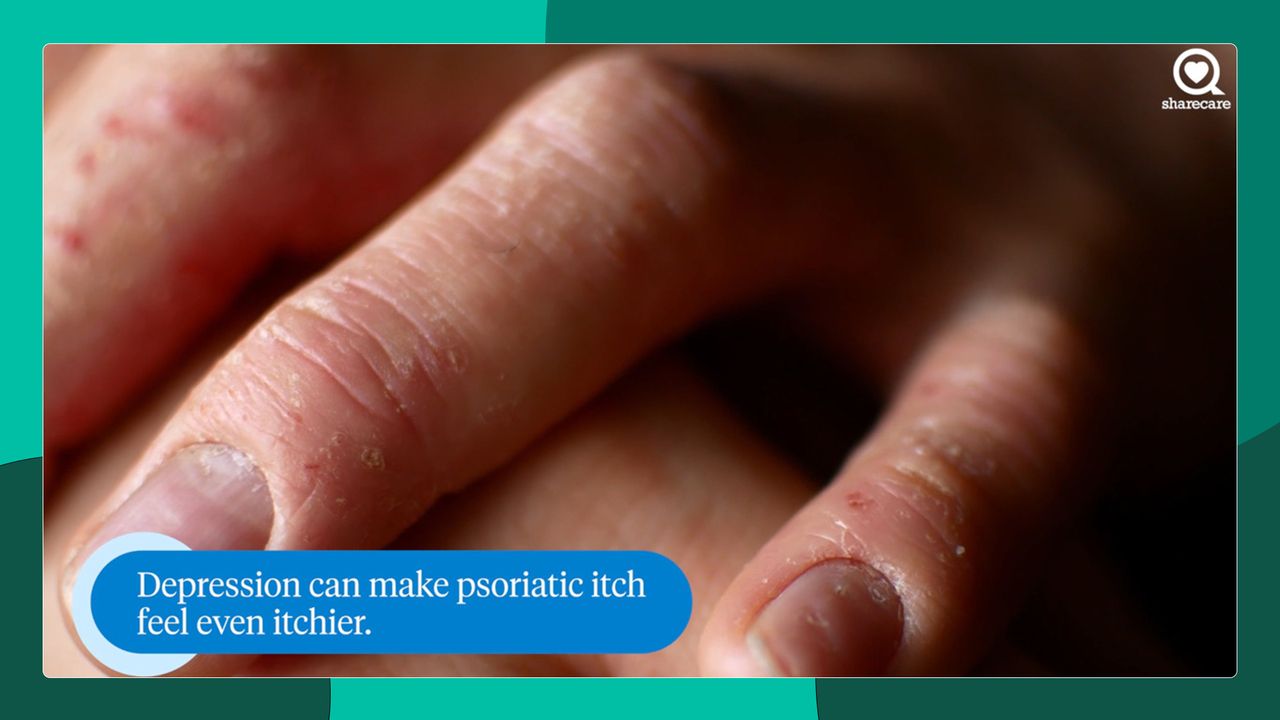
A treatment plan should also address overall health, including mental health. People with psoriasis are at an increased risk for numerous other health conditions, including other inflammatory conditions (such as psoriatic arthritis and inflammatory bowel disease), cardiovascular disease, type 2 diabetes, sleep disorders, anxiety, and depression.
Strategies for living with psoriasis
Lifestyle changes, self-care strategies, and healthy habits are also an important part of managing psoriasis. Although these are not a substitute for working with a healthcare provider, the ideas listed below can help a person with psoriasis get the most out of a treatment plan.
- Bathe the right way. Limit yourself to one shower or bath a day, and keep your time in the water limited to 5 to 15 minutes. Avoid hot water, harsh soaps and scrubs, and washcloths or loofahs—these can be too harsh on your skin and can make symptoms worse. Instead, use lukewarm water, gentle soaps that contain added oils and fats, and lather yourself with your hands. To dry off, blot with a towel, but leave your skin feeling damp (this will help with moisturizing, which is our next tip).
- Use moisturizer. Immediately after bathing, apply an emollient while your skin is still moist. Creams and ointments (which are thicker) have more staying power than lotions. You may need to apply moisturizer several times a day, especially during cold or dry weather.
- Maintain a healthy weight. While the exact relationship between psoriasis and obesity is not fully understood, obesity is associated with having psoriasis and having more severe psoriasis. If you need to lose weight, talk to your healthcare provider about safe and effective steps for weight loss.
- Exercise. Exercising can be difficult for anyone, and it’s often more difficult when managing a condition like psoriasis. But exercise has numerous benefits, including weight management and lowering the risk of other diseases (like heart disease and type 2 diabetes) and lowering stress. The National Psoriasis Foundation recommends that people with psoriasis get a minimum of 30 minutes of moderate-intensity exercise five times a week, plus additional strength-training exercises.
- If you smoke, quit. Smoking can increase the severity of psoriasis, and also increases your risk of many other serious health problems.
- Monitor your stress levels. Stress can trigger psoriasis flares and exacerbate symptoms. It's important for people with psoriasis to find healthy ways to manage stress. Stress-management strategies include meditation, yoga, and breathing exercises. Also consider therapy and counseling.
- Find a support group. Consider joining a psoriasis support group, where you can connect with other people who have psoriasis. There are support groups that meet online, as well as support groups that meet in person.
- Keep learning. Patient education is an important part of managing a health condition. Keep learning about psoriasis, including treatments and the different ways that psoriasis can impact a person’s health.
Remember, the most important step in managing psoriasis is working with a healthcare provider. Talk to your healthcare provider about all of your symptoms (even the embarrassing ones), the ways that psoriasis is affecting your life, what you can expect from your treatment plan, and what you can do to better manage psoriasis.
Sources: National Institute of Arthritis and Musc... + 17
- National Institute of Arthritis and Musculoskeletal and Skin Diseases. Psoriasis.
- MedlinePlus. Skin lesion removal.
- Merck Manual Professional Version. Description of Skin Lesions.
- National Psoriasis Foundation. Skin of Color Resource Center.
- DermNet. Psychological effects of psoriasis.
- National Psoriasis Foundation. Related Conditions of Psoriasis.
- Kathryn K. Garner, Kattie D.S. Hoy, and Adriana M. Carpenter. Psoriasis: Recognition and Management Strategies. American Family Physician, 2023. Vol. 108. No. 6.
- American Academy of Dermatology Association. 8 Ways to Stop Baths and Showers From Worsening Your Psoriasis.
- R. Torsekar and Manjyot M. Gautam. Topical Therapies in Psoriasis. Indian Dermatology Online Journal, 2017. Vol. 8, No. 4.
- Anisha Sethi, Tejinder Kaur, S.K. Malhotra, and M.Ll Gambhir. Moisturizers: The Slippery Road. Indian Journal of Dermatology, 2016. Vol. 61, No. 3.
- Gabriela Barros, Pablo Duran, Ivana Vera, and Valmore Bermudez. Exploring the Links between Obesity and Psoriasis: A Comprehensive Review. International Journal of Molecular Sciences, 2022. Vol. 23, No. 14.
- Manfred Kunz, Jan C. Simon, and Anja Saalbach. Psoriasis: Obesity and Fatty Acids. Frontiers in Immunology, 2019. Vol. 10.
- American Academy of Dermatology Association. What Should I Eat If I Have Psoriasis?
- Samuel Yeroushalmi, Marwa Hakimi, Mimi Chung, Erin Bartholomew, Tina Bhutani, and Wilson Liao. Psoriasis and Exercise: A Review. Psoriasis: Targets and Therapy, 2022. Vol. 12.
- National Psoriasis Foundation. Active and Mindful Lifestyles.
- National Psoriasis Foundation. Smoking and Psoriasis.
- National Psoriasis Foundation. Life with Psoriasis.
- Jennifer Larson. How to Connect with Psoriasis Support Groups. Healthgrades. February 23, 2022.