How to prevent Crohn's disease flare-ups


LearnDigestive healthControlling Crohn’s disease and ulcerative colitisHow to prevent Crohn's disease flare-ups
  • Seek treatment
  • Follow your treatment plan
  • Avoid triggers
  • Eat well and exercise

Crohn’s disease follows a cycle of remission and relapse, where symptoms are controlled at times and flare at other times. While this cycle of relapse and remission can be unpredictable, there are steps you can take to help prevent flare ups.

Seek treatment

The first step to controlling Crohn’s disease is to work with a healthcare provider. Crohn’s disease is a chronic condition that requires treatment and monitoring. Typically, treatment is overseen by a gastroenterologist, a medical doctor who specializes in the treatment of diseases and disorders that affect the digestive system. A healthcare team may also include other healthcare providers and specialists.

Follow your treatment plan

Your treatment plan for Crohn’s disease will depend on a number of factors, including the parts of the GI tract that are affected by the disease, the severity of symptoms, if you have any other health conditions, and your overall health.

The goals of treatment will be to control inflammation, ease symptoms, prevent and address complications, and keep the disease in remission. Treatment for Crohn’s disease may include a combination of medications, bowel rest, and surgery:

  • Medications. There are a variety of medications used to treat Crohn’s disease, including medications that reduce inflammation and medications that act on the immune system to inhibit inflammatory processes in the body.
  • Bowel rest. This involves giving your digestive tract a break by not eating, or not eating certain foods, for a period of time. This process must be monitored by a healthcare provider. Nutrients may be delivered in liquid form that you drink, through an IV, or with a feeding tube.
  • Surgery. Surgery to remove damaged or inflamed sections of the GI tract is common in the treatment of Crohn’s disease. Surgery may be needed or recommended in a number of circumstances, including to treat complications or reduce the risk of colon cancer.

It is important to follow all treatment steps outlined by your healthcare team. This means adhering to medication schedules, following the protocols for a bowel rest, and following steps to ensure a successful surgery.

Avoid triggers

Triggers are things that cause symptoms to flare or make symptoms worse. While triggers can vary from person to person, there are some well-known triggers:

  • Certain foods. Talk to your healthcare team about foods you should be avoiding. Because different foods are triggers for different people, keeping a food journal can also help you identify your trigger foods.
  • Smoking. Smoking is associated with more severe Crohn’s disease, worse outcomes from treatments, and complications. If you smoke, quit. You also need to avoid secondhand smoke.
  • Stress. Stress can trigger flares and make Crohn’s symptoms worse. Take steps to reduce stress. These can include mindfulness activities like yoga or meditation, or something as simple as scheduling time to yourself. You should also talk to your healthcare team about stress.
  • Medications. Some medications, including non-steroidal inflammatory drugs (NSAIDs) and antibiotics, can trigger flares. Ask your healthcare providers for a list of medications that you should avoid.

Eat well and exercise

Eating well and staying physically active are important components of a healthy lifestyle. There are no specific diet or exercise recommendations for people with Crohn’s disease, and everyone’s specific needs will be different. However, Crohn’s can impact your body’s ability to absorb nutrients, and symptoms like diarrhea can cause dehydration. You are encouraged to talk to your healthcare providers about these topics, including how Crohn’s disease impacts your nutritional needs, and how to exercise comfortably and safely.

Sources: UpToDate. "Patient education: Crohn dise... + 11
  1. UpToDate. "Patient education: Crohn disease (Beyond the Basics)."
  2. Crohn's & Colitis. "Dealing with Crohn's Flare-Ups."
  3. Harvard Health Publishing. "Crohn's Disease."
  4. MedicineNet. "Medical Definition of Gastroenterologist."
  5. Indika R. Ranasinghe and Ronald Hsu. "Crohn Disease." StatPearls, 2020.
  6. National Institute of Diabetes and Digestive and Kidney Diseases. "Treatment for Crohn’s Disease."
  7. Ashwin N. Ananthakrishnan. "Environmental Triggers for Inflammatory Bowel Disease." Current Gastroenterology Reports, 2013. Vol. 15, No. 1.
  8. Harvard Health Publishing. "Living with Crohn’s disease: Recognizing and managing flares."
  9. Mayo Clinic. "Crohn's Disease."
  10. Pilar Nos and Eugeni Domènech. "Management of Crohn’s disease in smokers: Is an alternative approach necessary?." World Journal of Gastroenterology, 2013. Vol. 17, No. 31.
  11. Crohn's & Colitis Foundation. "Exercise."
  12. Crohn's & Colitis Foundation. "Nutrition."
Written by Jameson Kowalczyk.
Medically reviewed by Joanne Perron, MD, MPH.July, 2026
Updated onNovember, 2026
Written by Jameson Kowalczyk.
Medically reviewed by Joanne Perron, MD, MPH.July, 2026
Updated onNovember, 2026
  • Seek treatment
  • Follow your treatment plan
  • Avoid triggers
  • Eat well and exercise

Featured content

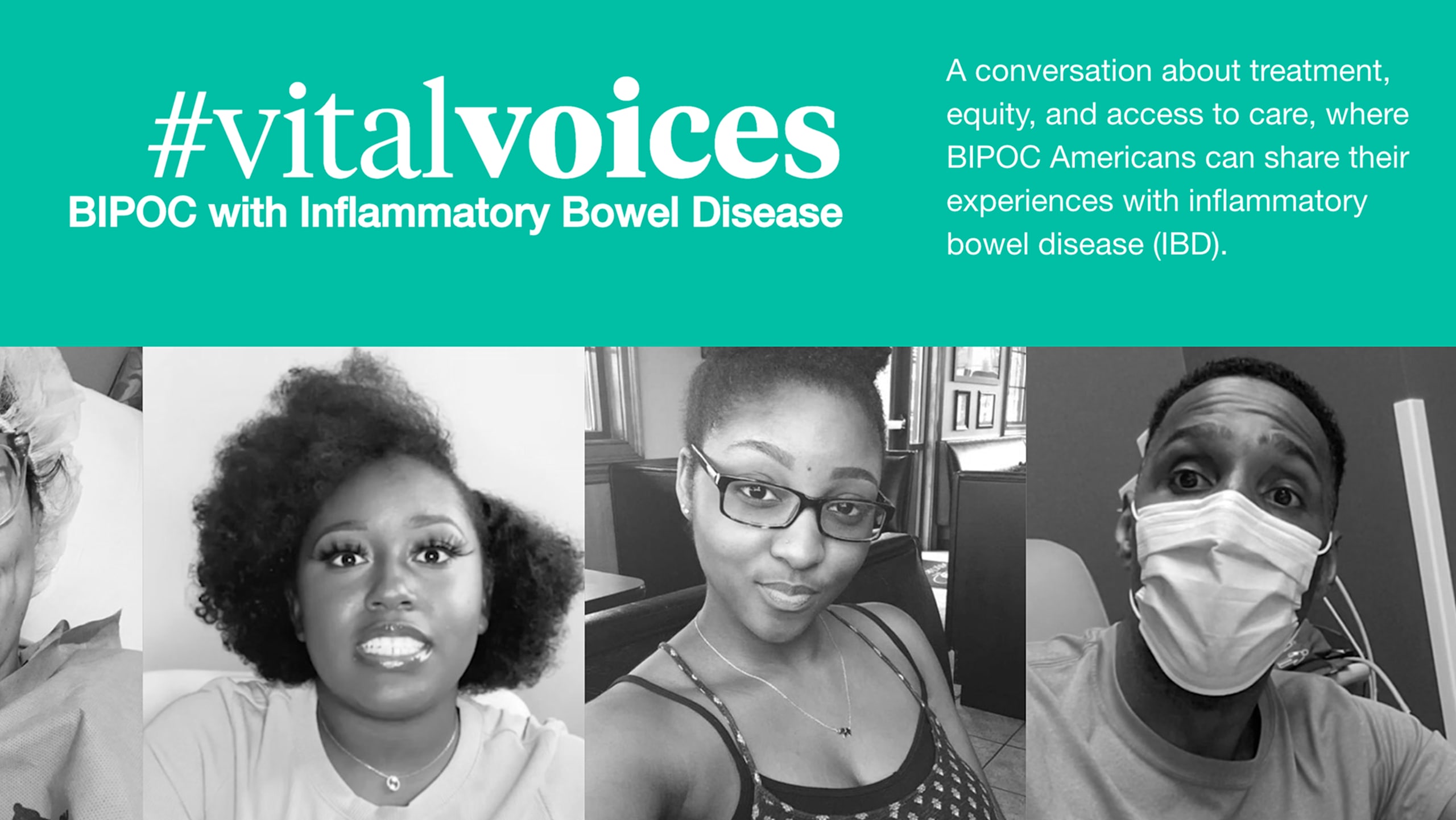
Vital Voices: BIPOC with Inflammatory Bowel Disease
Interactive

Vital Voices: BIPOC with Inflammatory Bowel Disease

Interactive Patient Story - UC
Interactive

Interactive Patient Story - UC

Nutritional supplements for people with Crohn's disease
Article

Nutritional supplements for people with Crohn's disease

Common nutritional deficiencies in people who have IBD and the supplements that can help.

4 ways to avoid flares when you have UC
Article

4 ways to avoid flares when you have UC

If you are living with IBD, learn how a few lifestyle changes could help ease your symptoms.

What medications are used to treat ulcerative colitis?
Article

What medications are used to treat ulcerative colitis?

Learn about the medications that can help control inflammation for people who have UC.

Coping with the mental and emotional burden of ulcerative colitis
Article

Coping with the mental and emotional burden of ulcerative colitis

Like other chronic illnesses, ulcerative colitis can affect mental and emotional health.

5 steps to living well with ulcerative colitis
Article

5 steps to living well with ulcerative colitis

How taking a proactive approach can help you get more out of treatment.

Ulcerative colitis: topics to discuss at your next appointment
Article

Ulcerative colitis: topics to discuss at your next appointment

Tips for talking about symptoms, stress, food, quality of life, and more.

Crohn's disease: 5 topics to discuss with your doctor
Article

Crohn's disease: 5 topics to discuss with your doctor

Questions and topics to help you prepare for an appointment with your healthcare provider.

Crohn's disease: talking to your doctor about fatigue
Article

Crohn's disease: talking to your doctor about fatigue

Learn four ways Crohn’s disease contributes to fatigue and how to discuss fatigue with your healthcare providers.

How Crohn's disease impacts mental health
Article

How Crohn's disease impacts mental health

How to get help for feelings of depression and anxiety when you have IBD.

Is there a link between psoriasis and inflammatory bowel disease?
Article

Is there a link between psoriasis and inflammatory bowel disease?

Learn how these two inflammatory conditions are connected and what psoriasis patients need to know.

Do you need surgery to treat ulcerative colitis?
Article

Do you need surgery to treat ulcerative colitis?

Find out when to start thinking about surgery for your inflammatory bowel disease (IBD).

7 drug options for Crohn's disease
Article

7 drug options for Crohn's disease

Whether you have Crohn’s disease or ulcerative colitis, these treatments can help manage your symptoms.

5 ways IBD can harm your health
Article

5 ways IBD can harm your health

Learn how the impact of inflammatory bowel disease (IBD) can extend beyond the digestive system.

Strategies for a better night's sleep with IBD
Article

Strategies for a better night's sleep with IBD

Understand the cyclical relationship between sleep problems and inflammatory bowel disease, and what you can do about it.

Working when you have Crohn's disease
Article

Working when you have Crohn's disease

Tips for finding the right job, maintaining work/life balance, and preparing for a day at work.

Can meditation help with inflammatory bowel disease?
Article

Can meditation help with inflammatory bowel disease?

Why people with inflammatory bowel disease might consider making meditation a part of treatment.

How UC can damage your joints and bones
Article

How UC can damage your joints and bones

How ulcerative colitis can contribute to painful symptoms in your joints and bones.

Why ulcerative colitis is a chronic condition
Article

Why ulcerative colitis is a chronic condition

Learn about the diagnosis and treatment of this lifelong inflammatory bowel disease.

Can mindful eating help you manage ulcerative colitis?
Article

Can mindful eating help you manage ulcerative colitis?

How mindful eating can benefit digestion and help lower stress.

Staying hydrated when you have ulcerative colitis
Article

Staying hydrated when you have ulcerative colitis

Why people who have ulcerative colitis are at risk for dehydration and what they can do to stay hydrated.

5 answers about biologic therapies for IBD
Article

5 answers about biologic therapies for IBD

How biologic therapies may help people with inflammatory bowel disease achieve and maintain remission.

Avoiding stress-induced IBD flares
Article

Avoiding stress-induced IBD flares

Learn about the connection between IBD and stress, plus strategies to reduce stress.

9-minute meditation for ulcerative colitis
Video

9-minute meditation for ulcerative colitis

Meditation can bring lasting improvements to quality of life when you have inflammatory bowel disease.

Mind your health: ulcerative colitis, Crohn's disease, and mental health
Video

Mind your health: ulcerative colitis, Crohn's disease, and mental health

When building a treatment plan for ulcerative colitis and Crohn's disease, you should focus on your mental health and physical condition.

7 foods to skip if you have IBD
Slideshow

7 foods to skip if you have IBD

Steering clear of these foods can help ease digestion.

AskMD by Sharecare LogoAskMD by Sharecare Logo
Privacy policyConsumer health data privacyTerms of use
Cookie policyYour privacy choices

© 2026 Sharecare, Inc.

ask-mdask-md
AskMD by Sharecare LogoAskMD by Sharecare Logo
Privacy policyConsumer health data privacyTerms of use
Cookie policyYour privacy choices

© 2026 Sharecare, Inc.